Source Eco Friendly Household Fish Knife for Chefs, Housewives, and Catering
Find 30 eco friendly household fish knife options from verified Chinese suppliers. Compare stainless steel and wood handle models with CE certification, custom logos, and varied sizes for professional and home kitchen use; compare the available evidence and request quotations based on your requirements.
Key considerations
Products List


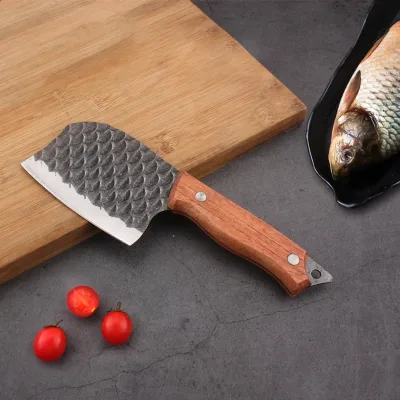



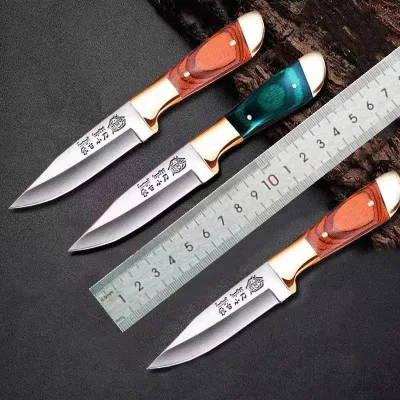
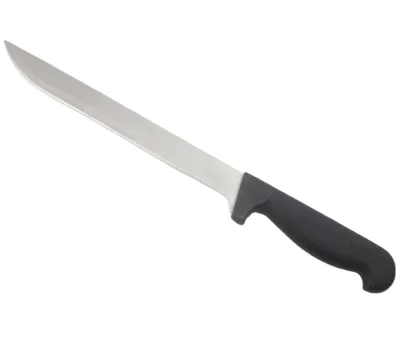
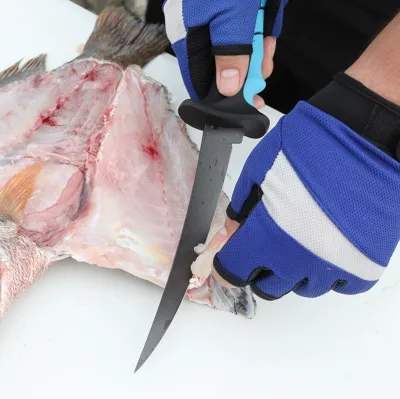
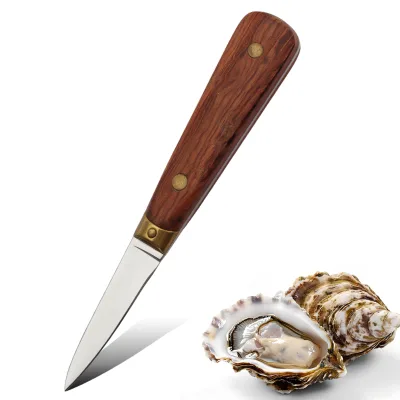
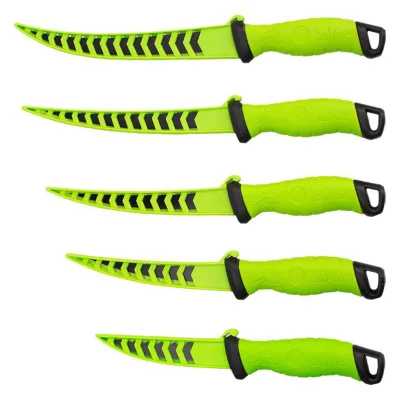
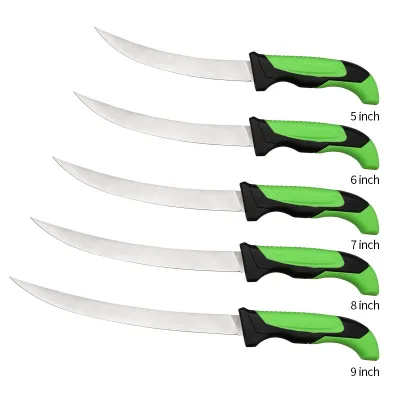

Comprehensive Sourcing Guide
Eco Friendly Household Fish Knife Sourcing Guide
Sourcing eco-friendly household fish knives requires a nuanced understanding of material sustainability and functional design. Buyers must distinguish between truly sustainable options, such as those made from bamboo or certified wood, and conventional plastic or metal variants that may carry environmental certifications but lack biodegradability. The market offers a wide spectrum, from disposable utility tools to durable chef-grade instruments, each presenting different lifecycle impacts. Understanding these distinctions is critical for aligning procurement with corporate sustainability goals and consumer expectations for green products.
This guide focuses on verifying the environmental claims and technical specifications of fish knives available in the current market. We examine observed listing signals, technical parameters, compliance requirements, cost structures, supplier qualifications, and long-term procurement checks. By adhering to these evidence-based criteria, buyers can mitigate risks associated with greenwashing and ensure that selected products meet both functional performance standards and genuine ecological responsibility benchmarks.
Product Scope and Observed Listing Signals
The current market for eco-friendly fish knives exhibits significant diversity in materials and intended usage. Observed listings indicate a price range of $0.02 to $29.99 USD, reflecting variations from basic disposable utility knives to premium, multi-functional chef knives. Materials range from stainless steel and plastic to bamboo and wood, with some products explicitly labeled as eco-friendly or reusable. Buyers should note that "eco-friendly" is not a standardized term; it often refers to specific attributes like biodegradability, recyclability, or the use of sustainable raw materials such as bamboo.
Listing signals also reveal a wide range of minimum order quantities (MOQs), from 2 to 50,000 units, catering to both small boutique retailers and large-scale distributors. Products are often customized with OEM logos and come in various packaging formats, including single bags, color boxes, and bulk cartons. Some listings highlight features like "disposable" usage, which may conflict with eco-friendly claims unless the material is compostable. Buyers must carefully cross-reference these signals with actual material compositions to avoid misinterpreting marketing terms as genuine environmental benefits.
Technical Specifications to Verify
Technical verification begins with confirming the blade and handle materials, as these directly impact durability and environmental footprint. Stainless steel blades, such as those made from SUS420J2, offer corrosion resistance and longevity, while wooden or bamboo handles provide a renewable alternative to plastic. Buyers should verify specific dimensions, such as blade lengths of 4 inches, 6.5 inches, or 16 cm, to ensure suitability for specific culinary tasks. The condition of new products and their folding status, whether unfolded or foldable, also affects storage and usability in household settings.
Additional specifications include the product model numbers, such as CB-KT0613 or BOLEX KNIVES CHINA LTD, which help in tracking supply chain consistency. Packaging details, like PP+Carton or Color Box, influence shipping efficiency and product protection. Buyers must also assess the handle material, ensuring it is securely attached to the blade to prevent failure during use. Verifying these technical details against supplier datasheets ensures that the product meets both functional requirements and the intended eco-friendly profile, avoiding discrepancies between marketing claims and physical attributes.
Compliance and Safety Documentation
Compliance with safety and environmental standards is paramount for household knives, especially those marketed as eco-friendly. Certifications such as CE and CE/EU indicate conformity with European health, safety, and environmental protection standards. Buyers should request valid certification documents to verify that the products meet these regulatory requirements. Additionally, products originating from regions like Fenghua or Guangdong in China may be subject to specific export regulations, requiring thorough documentation to ensure smooth customs clearance and market entry.
Environmental claims must be supported by credible evidence, such as material safety data sheets or third-party sustainability reports. Buyers should verify that any "eco-friendly" or "reusable" labels are backed by recognized standards or certifications. For instance, if a knife is claimed to be biodegradable, documentation proving compostability under specific conditions should be provided. Ensuring compliance with these standards not only mitigates legal risks but also builds consumer trust in the product's environmental integrity, aligning with global trends toward sustainable consumption.
Cost Drivers and Commercial Terms
Cost structures for eco-friendly fish knives are influenced by material selection, manufacturing complexity, and order volume. Stainless steel and bamboo materials typically command higher prices than plastic alternatives due to their durability and sustainability credentials. The observed price range of $0.02 to $29.99 USD reflects these variations, with premium products featuring custom designs or specialized materials costing more. Buyers should consider the total cost of ownership, including shipping, packaging, and potential returns, rather than focusing solely on unit price.
Commercial terms, such as MOQs and sample times, also impact procurement strategy. Lower MOQs may increase per-unit costs but reduce inventory risk, while higher volumes can leverage economies of scale. Sample times, often around 7 days, allow buyers to evaluate product quality before committing to large orders. Customization options, including logo printing and packaging design, may incur additional fees. Understanding these cost drivers helps buyers negotiate favorable terms and align procurement budgets with sustainability objectives without compromising on quality or ethical standards.
Supplier Qualification and Quality Control
Supplier qualification is critical for ensuring the reliability and ethical standards of eco-friendly fish knife suppliers. Buyers should verify supplier credentials, including business licenses, manufacturing capabilities, and past performance records. Suppliers from established manufacturing hubs like Guangdong may offer better infrastructure and quality control processes. It is essential to conduct on-site audits or request third-party inspection reports to assess production conditions, labor practices, and environmental management systems.
Quality control measures should include rigorous testing of blade sharpness, handle durability, and material safety. Buyers should establish clear acceptance criteria for product defects and implement regular quality checks during production and pre-shipment. Collaborating with suppliers who prioritize transparency and continuous improvement ensures that eco-friendly claims are substantiated by actual practices. Building long-term relationships with qualified suppliers fosters trust and enables joint efforts to enhance product sustainability and performance, reducing risks associated with supply chain disruptions or quality failures.
Long-Term Procurement Checks
Long-term procurement success depends on continuous monitoring of supplier performance and product sustainability metrics. Buyers should establish key performance indicators (KPIs) related to delivery times, defect rates, and compliance adherence. Regular reviews of supplier audits and certification renewals ensure ongoing adherence to ethical and environmental standards. Additionally, tracking market trends and consumer feedback helps identify opportunities for product improvement and innovation in eco-friendly materials and designs.
Sustainability reporting should be integrated into procurement processes to measure and communicate environmental impact reductions. Buyers can collaborate with suppliers to develop shared sustainability goals, such as reducing carbon footprints or increasing the use of recycled materials. By maintaining open communication and fostering a culture of continuous improvement, buyers can ensure that their procurement strategies remain aligned with evolving regulatory requirements and consumer expectations. This proactive approach not only mitigates risks but also enhances brand reputation and competitive advantage in the sustainable marketplace.
FAQs
What materials are used for eco friendly household fish knives?
These knives typically feature stainless steel blades paired with plastic or wood handles. Some models also incorporate bamboo and wood materials to ensure durability while maintaining an eco-friendly profile for household utility and chef use.
Can I find customized eco friendly household fish knives with specific logos?
Yes, customization is available for these products including OEM logo printing. Buyers can request specific designs while the standard production often includes single packaging or color boxes depending on the supplier and order volume requirements.
Which certifications do eco friendly household fish knives usually hold?
Many listed products carry CE or CE/EU certifications to meet safety standards. These items are often marked as new condition and may feature eco-friendly attributes like reusability or disposable options depending on the specific model selected.
How are eco friendly household fish knives packaged for export?
Packaging options vary from single pieces in bags to color boxes or PP plus carton combinations. Some suppliers use paper boxes, plastic boxes, or blister packs for export to ensure safe delivery and professional presentation for the end user.
What is the typical sample time for eco friendly household fish knives?
The standard sample time is approximately seven days for most manufacturers. This allows buyers to verify product quality and specifications before committing to larger orders that may involve different lead times based on customization and location.
Where are eco friendly household fish knives typically manufactured?
Production origins include Fenghua and Guangdong in China. These locations supply various models ranging from utility knives to chef knives, ensuring a steady flow of products that meet international standards and specific buyer requirements.
What specifications are available for eco friendly household fish knives?
Available specifications include lengths like 2.5 inches, 4 inches, or 16 centimeters. Models also vary in dimensions such as 14.1 by 4.6 centimeters or 19 by 5.5 centimeters, with blade materials often being SUS420J2 stainless steel.